

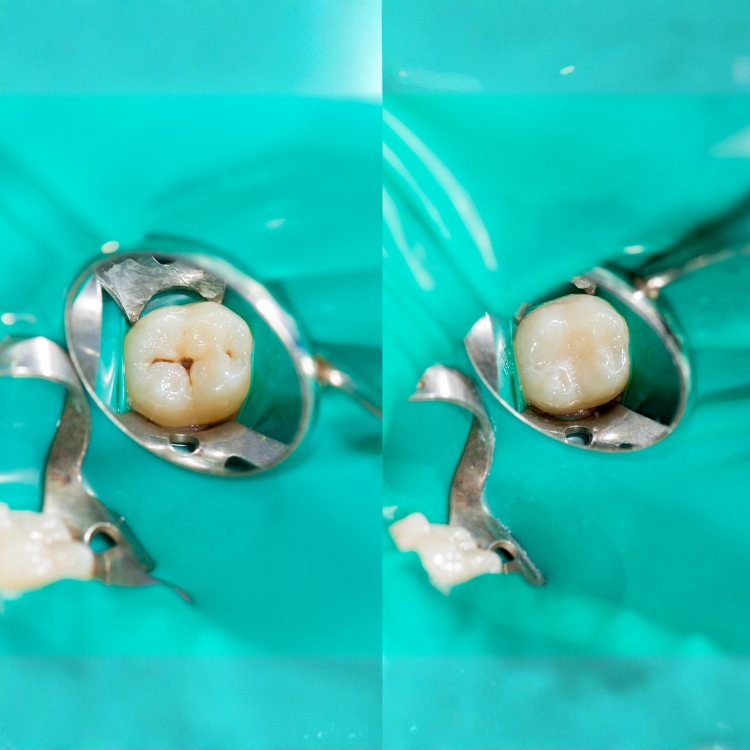
A dental filling is one of the most common and straightforward procedures in dentistry. When a cavity forms, it means bacteria have eaten through the tooth’s enamel and created a small hole. Left untreated, that hole gets bigger, causing sensitivity, pain, and eventually more serious problems like infection or the need for a root canal.
A filling stops the decay in its tracks. Your dentist removes the damaged portion of the tooth, cleans the area, and fills it with a durable material that restores the tooth’s shape, strength, and function. The result is a tooth that looks and feels normal again, and the entire process usually takes less than an hour.
At K&E Family Dental, we use tooth-colored composite fillings that match the natural shade of your teeth. Nobody will know you had work done.
How Do You Know If You Need a Filling?
Cavities don’t always announce themselves with pain. In fact, many cavities develop without any symptoms at all, which is one of the biggest reasons regular dental checkups matter. By the time a cavity hurts, it’s often progressed further than it needed to.
That said, there are some common signs that a filling may be in your future. Sensitivity to hot, cold, or sweet foods and drinks is one of the earliest warning signs. You might notice a visible dark spot or hole in a tooth, or feel a rough edge when you run your tongue over a tooth’s surface. Mild, lingering pain when you bite down can also indicate decay. And if an old filling has cracked, chipped, or fallen out, it will need to be replaced to protect the tooth underneath.
If you’re experiencing any of these symptoms, don’t wait. The earlier a cavity is caught, the smaller the filling, the simpler the procedure, and the more of your natural tooth we can preserve.
Types of Dental Fillings
There are several filling materials available, and the right choice depends on the location of the tooth, the size of the cavity, and your preferences.
Composite (tooth-colored) fillings are the most popular option for visible teeth. Made from a blend of plastic resin and fine glass particles, composite fillings are color-matched to your natural tooth so they’re virtually invisible. They bond directly to the tooth structure, which means less drilling and more of your natural tooth is preserved. Composite fillings work well for small to mid-sized cavities on both front and back teeth.
Amalgam (silver) fillings have been used in dentistry for over a century. They’re extremely durable and cost-effective, making them a practical choice for large cavities on back molars where chewing forces are strongest. However, their metallic appearance makes them less popular for visible teeth.
Ceramic and porcelain fillings (also called inlays or onlays) are custom-fabricated in a dental lab and bonded to the tooth. They’re highly durable, stain-resistant, and closely match the color of natural teeth. These are typically recommended for larger areas of decay where a standard filling might not provide enough structural support but a full crown isn’t necessary.
Glass ionomer fillings release fluoride over time, which can help protect the tooth from further decay. They’re less durable than composite or amalgam, so they’re most often used for small fillings in low-pressure areas or for children’s teeth.
During your appointment, your dentist will recommend the best material for your specific situation and walk you through the pros and cons so you can make an informed decision.

When Should an Old Filling Be Replaced?
Fillings don’t last forever. Over time, the edges of a filling can wear down, chip, or pull away from the tooth, creating tiny gaps where bacteria and food particles can get trapped. If this happens, new decay can form underneath the old filling, often without you realizing it.
During your regular checkups at K&E Family Dental, we inspect your existing fillings for signs of wear, cracks, or leakage. If a filling needs to be replaced, we’ll catch it early, before it becomes a bigger problem.
Many patients also choose to replace old silver amalgam fillings with tooth-colored composite fillings for cosmetic reasons. If you have metal fillings that show when you smile or laugh, we can replace them with composite restorations that blend in with your natural teeth.

Frequently Asked Questions
Find answers to commonly asked questions about Dental Crowns and Bridges.